
The textile industry is going through a real turning point. Sustainability is a baseline expectation. And while many materials are still catching up, bio-based synthetic leather is already here, performing at the highest level and quietly reshaping the way we think about upholstery. At Alonso Mercader, we’ve been watching this shift closely, and we’re genuinely excited about what it means for the industries we work with every day.
What is bio-based synthetic leather and why does it matter?
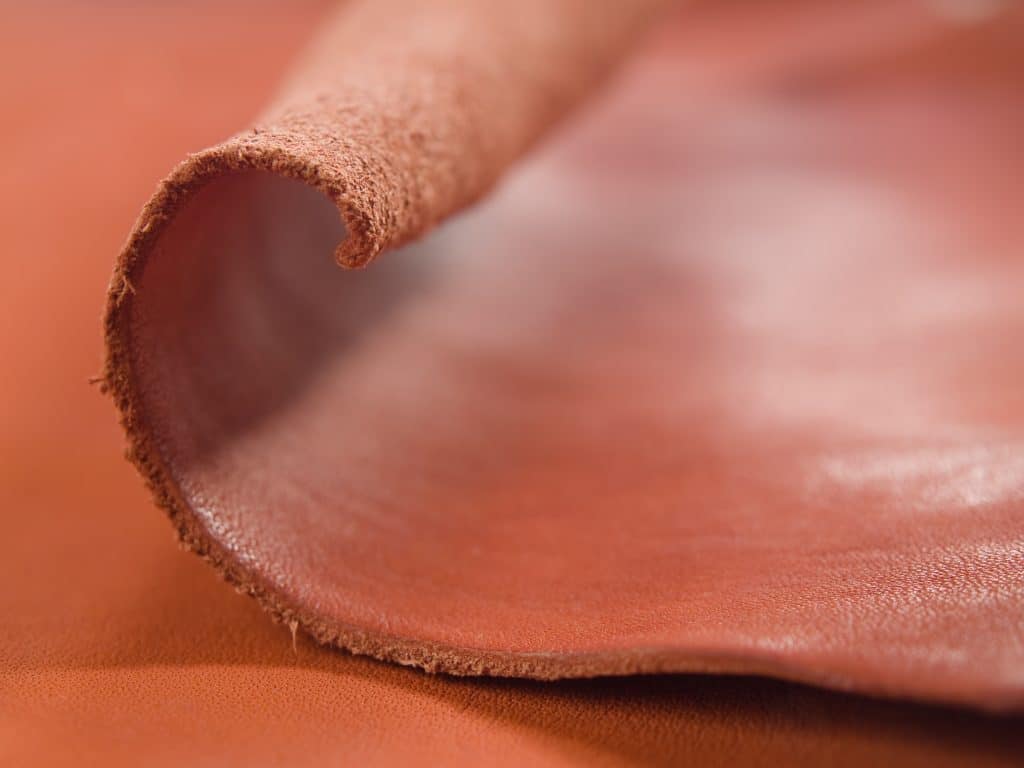
Traditional synthetic leather is made from petroleum-derived polymers, mainly polyvinyl chloride (PVC) and polyurethane (PU), which are types of plastics. These materials have served the industry well for decades: durable, versatile, and far more affordable than animal hides. But they come with a heavy fossil-fuel footprint. Bio-based synthetic leather changes that equation by replacing part of those petrochemical inputs with raw materials from renewable sources like corn starch, sugarcane, castor oil, mushroom mycelium, and even pineapple leaf fibers.
The result is a material that holds up to UV radiation, abrasion, humidity, and heavy use just as well as its conventional counterpart. The brands, designers, and procurement teams we work with care more and more about where the raw materials come from.
That shift makes sense when you look at the bigger picture. Sustainability certifications, green building standards, and ESG commitments are shaping purchasing decisions across sectors. Specifying bio-based synthetic leather is one of the more concrete ways companies can act on those commitments, with a material that already meets the performance requirements they need.
The science behind bio-based polymers: performance you can trust
It’s worth addressing the most common concern head-on: does plant-derived” mean “less resistant”? The short answer is no. Modern bio-based polymers are formulated with the same technical rigor as conventional materials. Tensile strength, elongation, color fastness, and hydrolysis resistance are all tested and certified to the same standards.
Take bio-based polyurethane. The latest formulations perform well in Martindale abrasion tests and hold up under prolonged UV exposure, which is a critical requirement for marine and outdoor contract applications. These claims are measurable results backed by lab data. From a practical standpoint, bio-based synthetic leather is easy to cut, sew, and bond, just like conventional material; this ease of integration is part of what makes the shift so accessible.
A material built for the industries we serve
In marine environments, where salt, humidity, and UV exposure are constant, bio-based formulations now come with the same marine-grade certifications our clients have always required. Yacht designers can specify these materials with full confidence; the aesthetics and durability are there.
The automotive sector has been another major driver. EV manufacturers in particular are actively looking for interior materials that align with their brand values, and bio-based synthetic leather fits naturally into that conversation.

In the contract world of hotels, offices, or healthcare, the push toward LEED-compliant and certified sustainable materials is only getting stronger. Bio-based synthetic leather covers both. And at Alonso Mercader, that’s exactly the kind of material we want to put in their hands. Bio-based synthetic leather covers both. And at Alonso Mercader, that’s exactly the kind of material we want to put in our clients’ hands.
Bio-based polymers are already part of the future of synthetic leather. The materials exist, they perform, and demand is growing across every sector we work with. What’s changing is the pace. As more brands commit to sustainability targets and more designers look for materials that back those commitments up, bio-based synthetic leather will become less of a specialty choice and more of a standard one. We think that’s a good thing, and we’re ready for it.