
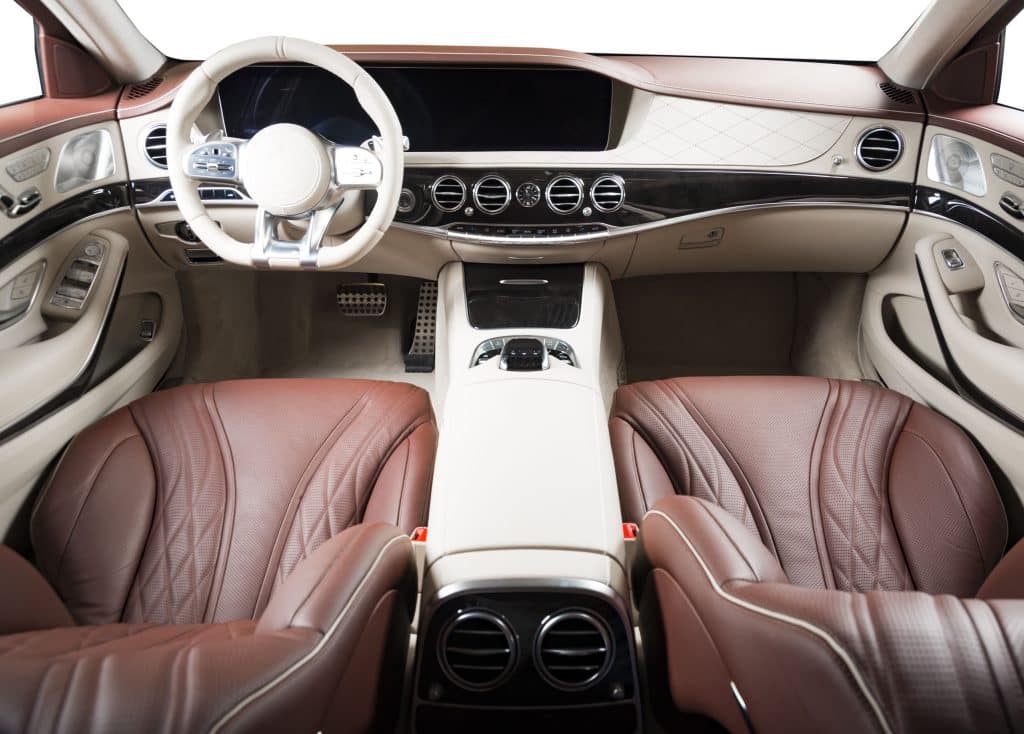
You notice it before you think about it: the moment your hand lands on the steering wheel, the door pull, or the center armrest. If the surface feels pleasant, neither sticky nor slippery, neither plasticky nor overly cushioned, your body relaxes a little.
That’s the quiet power of soft-touch finishes; they turn everyday contact points into small moments of ease, and they help the whole cabin feel considered.
Automotive interior haptics: where comfort begins
Comfort often starts with the question, how does it feel in the hand? That’s what automotive interior haptics are about: the tactile experience of materials and controls. It includes softness, yes, but also grip, texture, temperature perception, and that subtle sense of “control” you get when a knob turns smoothly or a surface doesn’t fight your fingers.
Take a familiar situation: you’re driving early in the morning, it’s cold, and you reach for a handle or a switch. Some materials feel harsh straight away; others feel warmer and more forgiving. Good automotive interior haptics reduce that little jolt of discomfort and replace it with something calmer and more natural.
There’s also a trust component. When automotive interior haptics are coherent across the cabin, with similar tactility on the main touchpoints, the interior feels intentional. It’s easier to believe the vehicle is well made because your hands keep getting the same clear signal.
Designing soft-touch finishes for real-life use
Soft-touch only works if it holds up in the messy reality of car life. Think sunscreen, hand cream, coffee spills, keys, rings, heat in summer, cold in winter, and frequent cleaning. That’s why material choice and surface engineering matter, since a finish has to feel good and stay stable without getting shiny too quickly, turning tacky, or showing wear in the places you touch most.
Furthermore, texture plays a bigger role than people expect. A fine grain can hide small scuffs and fingerprints, while a carefully tuned top layer can improve grip without feeling rubbery. When you achieve that balance right, automotive interior haptics feel effortless because the surface simply “behaves” the way your hand wants it to, even during quick, distracted movements like closing a door or adjusting a seat.
Then there’s the quieter side of comfort, the sound. Soft-touch surfaces can help reduce squeaks and micro-vibrations that make cabins feel cheap, especially over time. Pairing tactile quality with controlled acoustics strengthens automotive interior haptics in a way drivers don’t always name, but they do notice.
Why soft-touch feels “premium” (and why your brain agrees)
Our brains build an opinion about quality in seconds, and touch is one of the fastest shortcuts. A surface that feels smooth but has no squeak, no scratchy edge, and no unexpected slip tends to be read as “well made”; we associate pleasant tactile feedback with care, precision, and reliability.
There’s also an expectation effect. If a cabin looks refined, but the first touchpoint feels rigid or hollow, the experience breaks. When the tactile experience matches the visual promise, the interior feels coherent, and that coherence reinforces automotive interior haptics without needing extra features or flashy design.
Soft-touch finishes earn their place when they make the cabin feel comfortable in the moments that matter most. Done well, automotive interior haptics create a steady sense of ease with materials that feel welcoming and controls that feel predictable, and the interior stays pleasant through real use.