
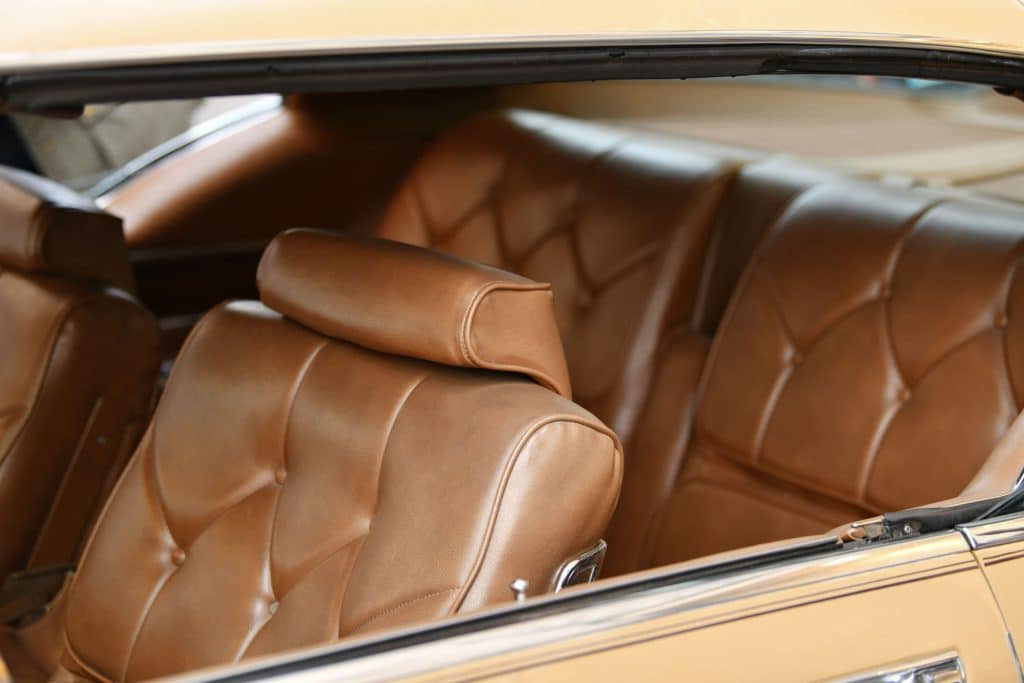
Restoring a classic car interior is one of the most rewarding parts of bringing a vehicle back to its best. The cabin is where craftsmanship becomes tangible: the look of the surfaces, the feel of the trim, the precision of the seams, and the way everything holds together as a complete design.
With today’s material options, it’s possible to recreate a period-appropriate finish while benefiting from modern durability and easier maintenance. Much of that balance comes down to choosing the right classic car interior restoration fabric for the car and the way it will be used.
Matching the original aesthetic
Before you order anything, have a careful look at what your car is already telling you. Even tired interiors often have protected “reference zones” that haven’t faded, like under seat tracks, behind door cards, inside pleats, or under a trim edge. Those areas are your most reliable guide for colour and sheen, and they’ll help you shortlist classic car interior restoration fabric options that won’t feel slightly off once everything is installed.
Texture is where restorations either feel period-correct or quietly modern; grain size, emboss depth, and how the surface reflects light matter more than most people expect. A classic car interior restoration fabric that looks spot-on under workshop lighting can read too glossy, or too flat, once it’s stretched across a seat face.
Also, if your project involves multiple pieces, ask for enough material from the same batch when possible, and keep a labelled swatch on file. With classic car interior restoration fabric, small variations between production lots can become noticeable when panels sit side by side.
Modern performance that still feels period-correct
Many classic cars are used more than people admit, so durability really matters. Modern upholstery constructions can improve abrasion resistance, dimensional stability, and cleanability; the right classic car interior restoration fabric is more likely to keep its finish looking tidy around high-contact areas like bolsters and armrests.
If you’re working with a trim shop, you’ll often hear them mention abrasion testing. One common metric is the Martindale test, which measures how well a fabric surface resists rubbing over time. Asking for basic performance specs (abrasion, UV stability, and cleaning guidance) can make your classic car interior restoration fabric choice easier to justify.
The details that make it feel authentic
Once you’ve chosen the material, the cabin comes together through details. Stitching style, seam placement, and thread selection can make the difference between “retrimmed” and “restored.” Period-correct often means keeping lines clean, proportions faithful, and finishes consistent.
Smaller components deserve their moment too. Piping, welting, pleats, and insert patterns often define the era as much as the main seat faces. This is where an experienced upholsterer can tell you how a classic car interior restoration fabric will behave when wrapped around tight radii, stitched through layered constructions, or applied to door cards that need structure.
Before you commit to a full order, treat sampling like a proper checkpoint. Place the swatch against original reference areas, view it next to paint and trim, and check it under different lighting. If you’re sourcing internationally or working on a timeline, confirm lead times, minimum order quantities, and whether replacement material will match later.
A great classic interior feels familiar the moment you open the door: the colour sits right, the texture makes sense for the era, and the finishing details look considered. When you combine solid visual references with a few sensible performance checks, you get a result that’s authentic and practical. In the end, the best classic car interior restoration fabric is the one that respects the car’s original language while fitting the way the vehicle will actually be used.