Walk into any furniture showroom, car dealership, or hotel lobby today and you’ll likely encounter vegan leather. It’s everywhere, and for good reason. But the term itself can be misleading, since “vegan leather” isn’t one material; it’s a family of very different products with distinct compositions, strengths, and use cases. Before specifying vegan leather for a project or recommending it to a client, you should understand what is actually underneath the surface.
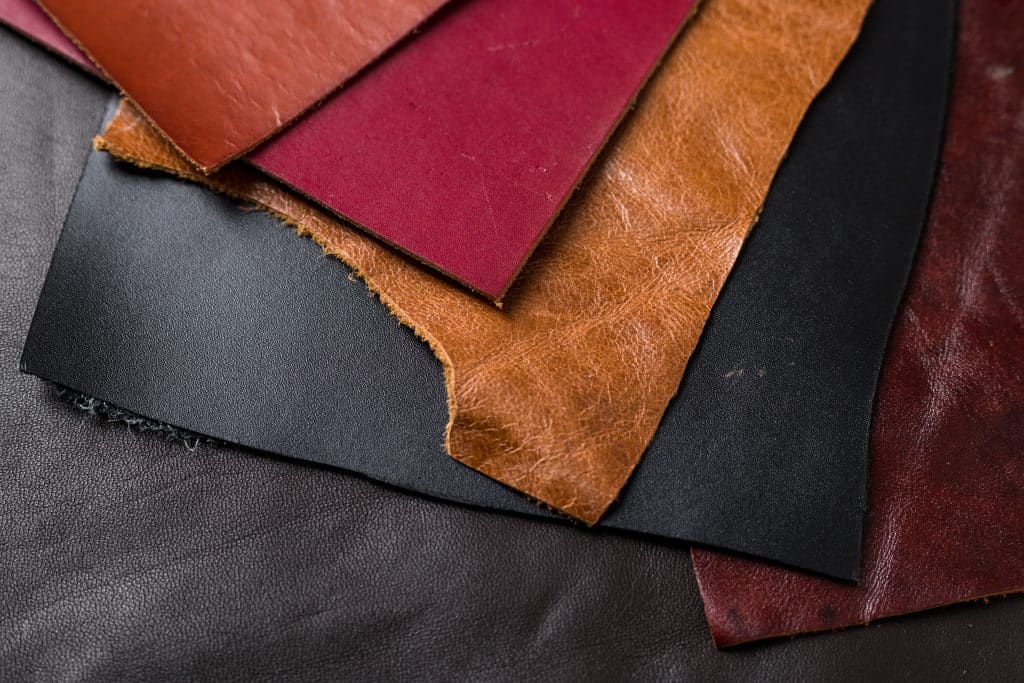
PU and PVC: the two classics
Let’s start with the materials you’re most likely to encounter. The vast majority of what gets sold as vegan leather today is either polyurethane (PU) or polyvinyl chloride (PVC), two synthetic textiles that have been refined over decades.
PU leather tends to have a softer, more supple feel. It breathes better than PVC and drapes in a way that reads as premium, which is why it’s so common in automotive interiors, yacht cabins, and boutique hotel rooms. It also holds up well over time without cracking or stiffening, making it a solid choice when both comfort and longevity are on the brief.
PVC, on the other hand, is built for endurance. Its surface is denser and nearly impermeable, which means it can take aggressive cleaning agents, heavy daily use, and even saltwater exposure without flinching. Think public transport seating, hospital waiting rooms, or restaurant terraces; environments where aesthetics matter, but resilience is non-negotiable. Less breathable than PU, yes, but in the right context, that sealed surface is exactly what you need.
Neither material is universally better. Knowing which one fits your project and why is where the real expertise comes in.Bio-based leathers: what’s actually out there
That said, PU and PVC aren’t the only options anymore. A new generation of bio-based synthetic leathers has moved from concept to commercial reality, and the range of source materials is genuinely surprising: cactus fiber, pineapple leaf waste (sold under the Piñatex brand), apple skin byproducts, and mycelium, which is the root network of mushrooms, are all being processed into textile surfaces that perform more like conventional synthetics than most people expect.
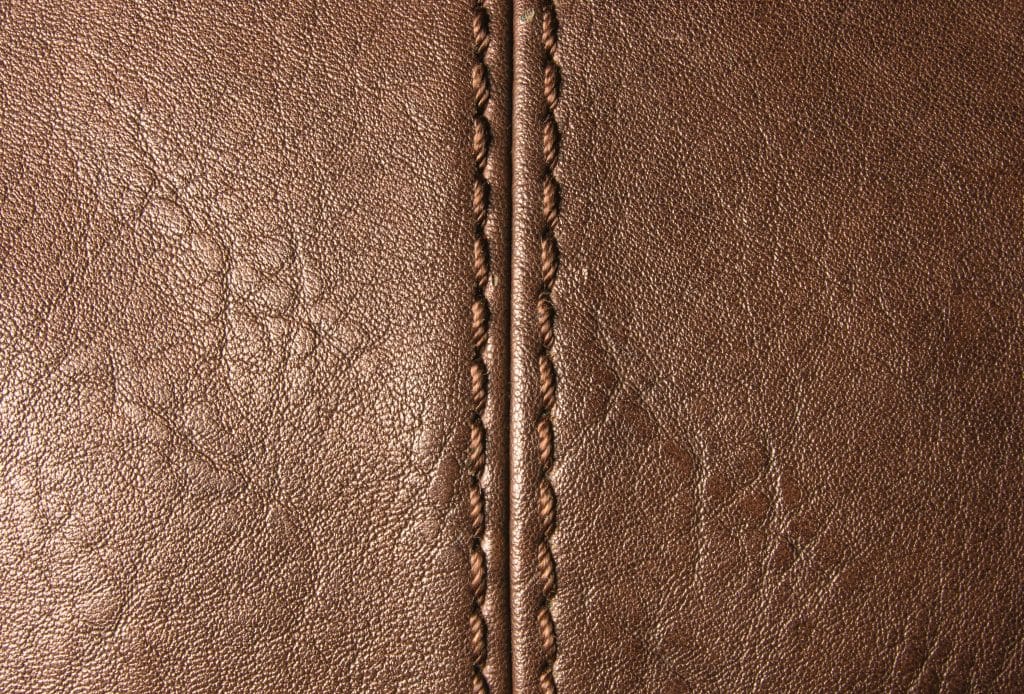
The material science behind them has advanced significantly, and several luxury automotive brands and interior design studios are already specifying them in real projects. They’re not perfect replacements for PU or PVC in every scenario since some have limitations in abrasion resistance or moisture handling that make them better suited to certain applications, but the gap is narrowing.
At Alonso Mercader, we’re actively following this space. As LEED certification becomes more relevant in contract interiors and brands across sectors tighten their environmental commitments, specifying materials with verified sustainability credentials is becoming part of the job and not just a bonus.
Vegan leather has earned its place in serious material specifications, and not because of the label, but because the options available today genuinely perform. The key is resisting the temptation to treat it as a single category. PU, PVC, and bio-based leathers each have their own logic, and understanding that logic is what helps you make a great choice.
The industry is moving toward more transparency around how these materials are made and what they can actually do. We think that’s a good thing, and we’re happy to be part of that conversation.